Where Tradition Breathes Into the Future
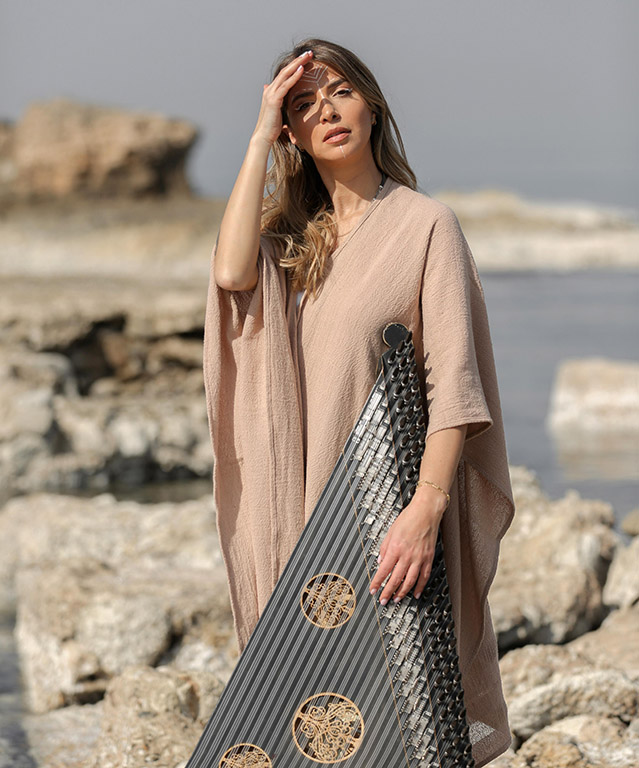
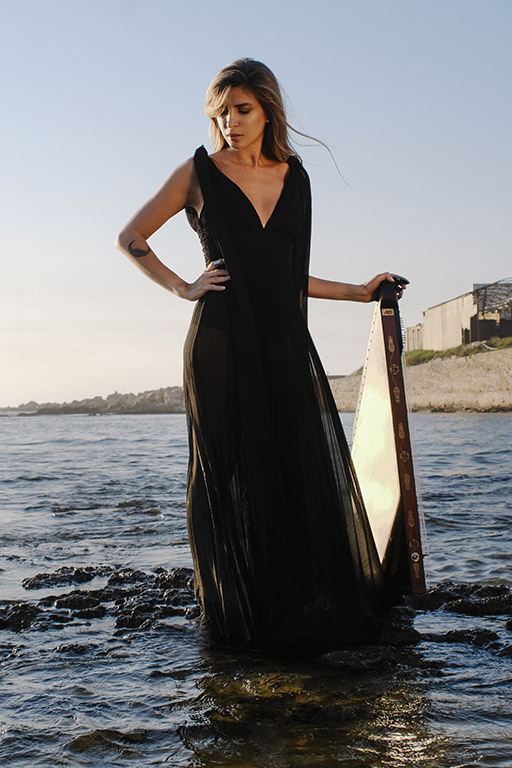
Ghenwa Nemnom isn’t simply reimagining the qanun, she’s redefining its place within contemporary music. With roots in classical training and a vision shaped by global influence, the Lebanese artist has crafted a sound that moves effortlessly between heritage and innovation. Her work transforms the qanun from a traditional instrument into a central voice within modern electronic landscapes.
Her performances carry a distinct atmosphere at once intimate and expansive. Whether set against the backdrop of beachside venues or cultural institutions, Ghenwa brings a sense of intention and emotional precision that resonates deeply with audiences. Each set feels less like a performance and more like an immersive experience.
In this conversation with CiiN Magazine, she reflects on her journey, creative philosophy, and the balance between honoring tradition and shaping the future.
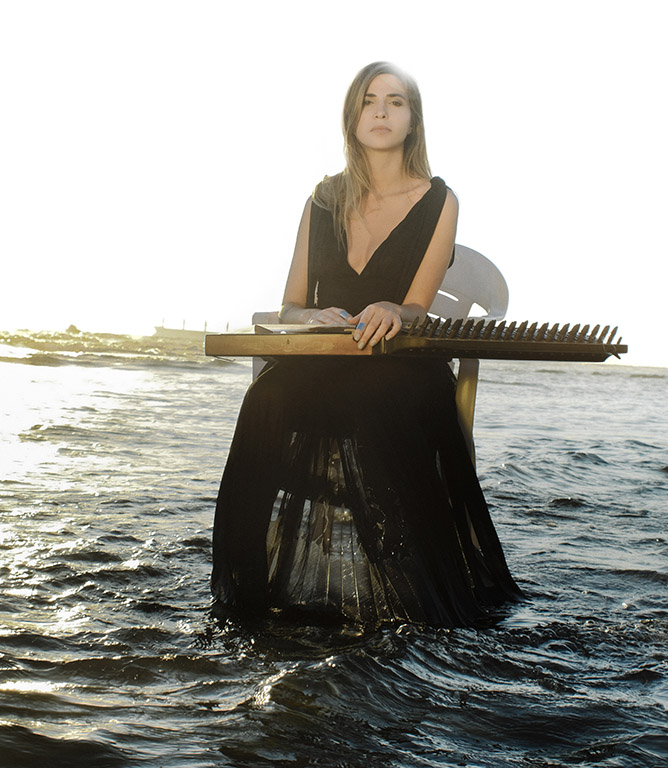
For readers discovering you for the first time, who is Ghenwa Nemnom beyond the stage and the spotlight?
Beyond the stage, I’m someone who is constantly searching for stillness. Music is how I process the world, but in my personal life, I’m very observant. I’m drawn to beauty, simplicity, and depth, whether in sound, spaces, or people.
You began studying the qanun at just eight years old at the Lebanese National Conservatory. What first drew you to that instrument?
I was first drawn to the qanun because of my father, who was also an artist. But even as a child, I felt that music could express something words couldn’t. It wasn’t just an instrument, it felt like a voice.
Was there a defining moment in childhood when you knew music would become your life path?
To be honest, no, not exactly. Music was a hobby when I was young, but eventually it became the place where I felt most like myself. At a young age, I didn’t think I could make a career out of it. I went to university to study Arts & Science. Over time, after finishing my studies, getting married, and having a child, it became clear to me that music wasn’t a choice; it was my path.
You later moved to the United States. How did living abroad shape your artistic identity?
Living abroad expanded my perspective. It allowed me to step outside of cultural expectations and see my identity more clearly. That contrast shaped my sound.
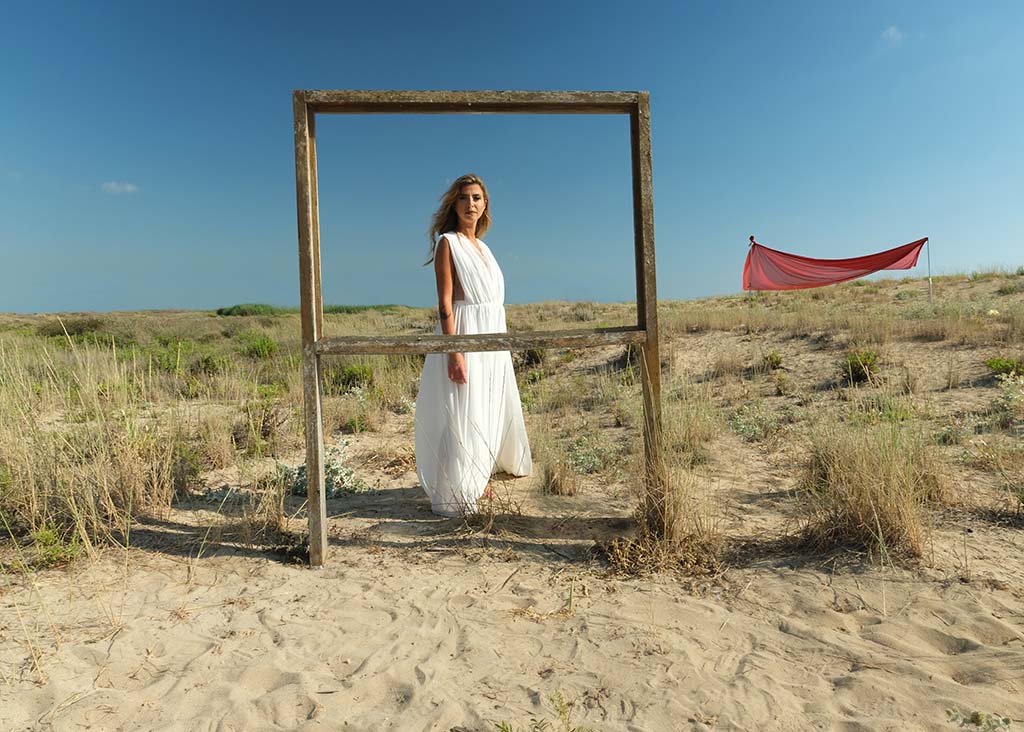
You describe your sound as a dialogue between two worlds. How would you define that today?
It’s a dialogue between tradition and the future. But I don’t approach it as “fusion” in the obvious sense, it’s more about placing something ancient inside a modern, restrained environment where it can breathe differently.
The qanun is deeply rooted in heritage. What inspired you to place it within electronic music?
I wasn’t interested in preserving the qanun in a museum-like way. I wanted it to evolve with me. Electronic music gave me a space to recontextualize it, not louder, but more intentional.
Was there resistance when you first began modernizing such a historic instrument?
Yes, especially in the beginning. There’s always resistance when you move something out of its expected context. But I learned that if the intention is honest, the work eventually finds its place.
Your performances feel cinematic, spiritual, and club-driven all at once. How do you build that atmosphere live?
For me, it’s about tension and release, creating space, not filling it. The live atmosphere comes from subtle build-ups, emotional pacing, and allowing moments to feel almost suspended in time.
You’ve performed globally from Mykonos to Dubai to Paris. Which moment has shifted you most as an artist?
The unplugged acoustic show at Scorpios Bodrum, in a temple-like space, was a turning point. It taught me the power of atmosphere, that a performance doesn’t need to be loud to be impactful. That experience shifted my entire approach.
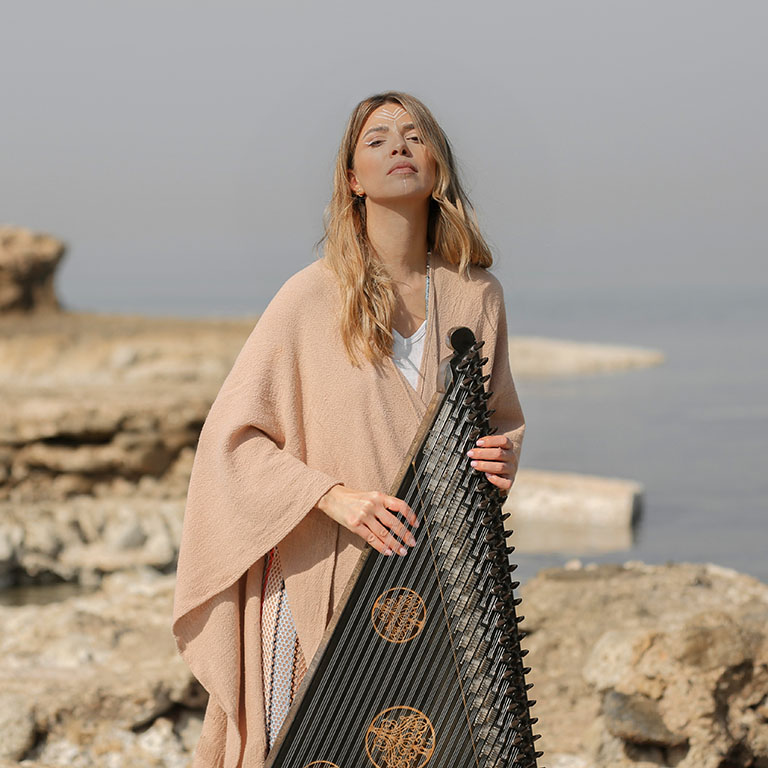
How do different cities influence your sound and energy?
Each place carries a different energy. Mykonos feels ritualistic, Dubai is more dynamic, and Paris more introspective. I don’t change my sound drastically, but I adapt the emotional tone.
You’ve opened for artists like Bedouin and Birds of Mind. What did that teach you?
They taught me restraint. Less is often more. It’s about creating a journey, setting the tone, not just playing music.
Luxury houses such as Chanel and Dior have invited you to perform. Why do music and fashion connect so naturally in your work?
Both worlds care deeply about detail, texture, and emotion. They’re forms of storytelling, they create a mood, a universe. That’s where the connection feels natural.
Your visual identity is very refined. How important is it today?
It’s essential. It’s not just about how things look, but how they feel. It creates context for the music and allows people to step into your world.
Where do your compositions begin?
Usually with a feeling. Sometimes it becomes a melody, sometimes just a texture. I rarely start with rhythm. For me, it’s more emotional than structural.
Do you see the qanun’s emotional depth as a reflection of yourself?
Yes, to some extent. I’m naturally introspective, and that translates into the sound. But I’m also drawn to contrast, lightness within depth.
You founded your label, Astarte. What drove that decision?
It was about independence. I didn’t want to wait for the industry to understand something I already felt clearly. It gave me the freedom to define my direction and to support other artists from the region.
As a Lebanese female artist in global electronic spaces, what have you had to navigate?
It’s less about barriers and more about perception. There are assumptions, and I’ve had to redefine how I’m seen on my own terms.
What role does spirituality play in your work?
It’s central. Creating requires stillness. Whether through meditation or simply disconnecting, I need space to access something deeper than technique.
What do you hope listeners feel when they close their eyes to your music?
A sense of suspension, like time slows down. Not an escape, but a shift in perception, even briefly.
Your message to CiiN Magazine?
Thank you for the space and the attention. In a fast-moving world, platforms that value depth and intention really matter.