An Istanbul-Based Artist Working Between Dream and Reality
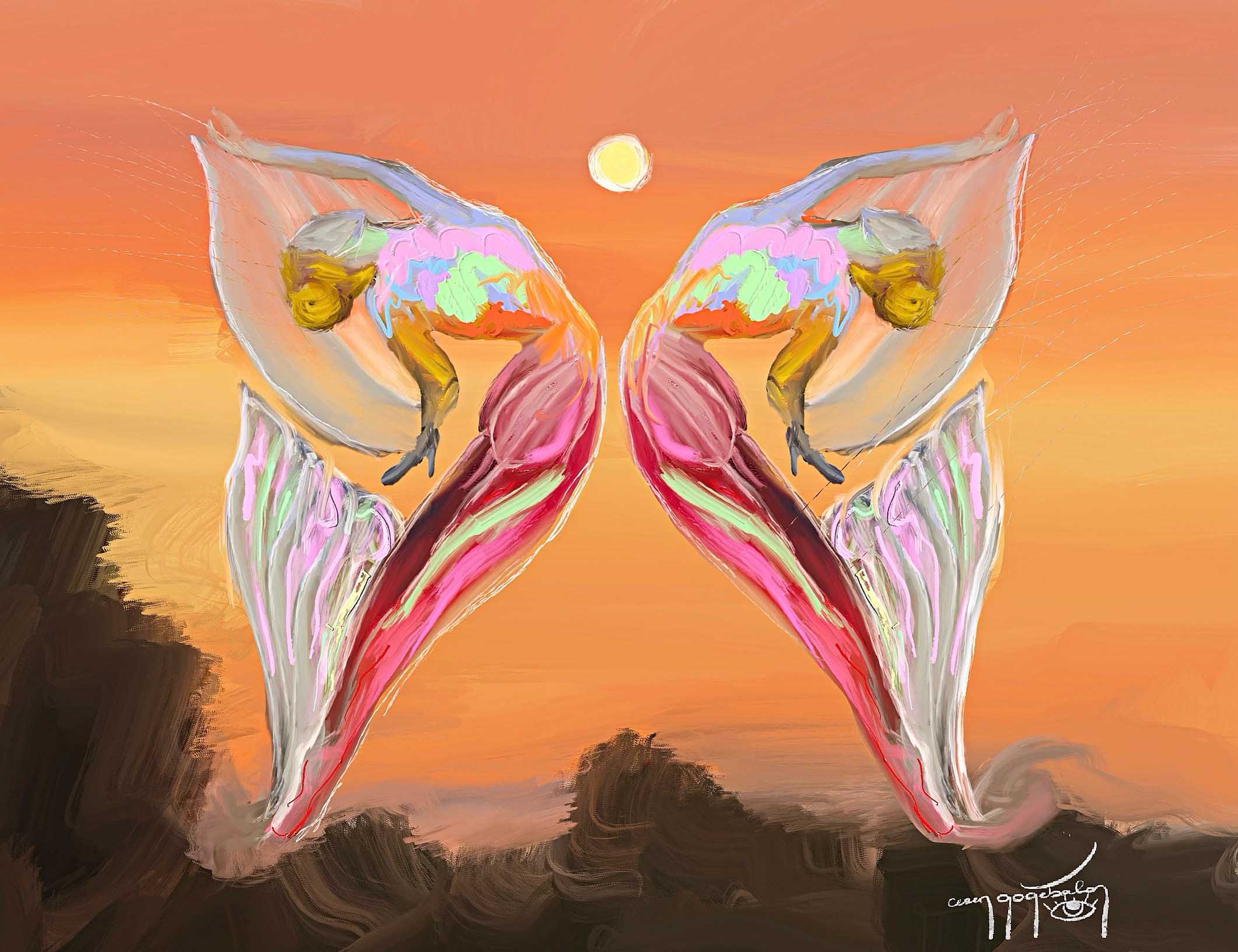
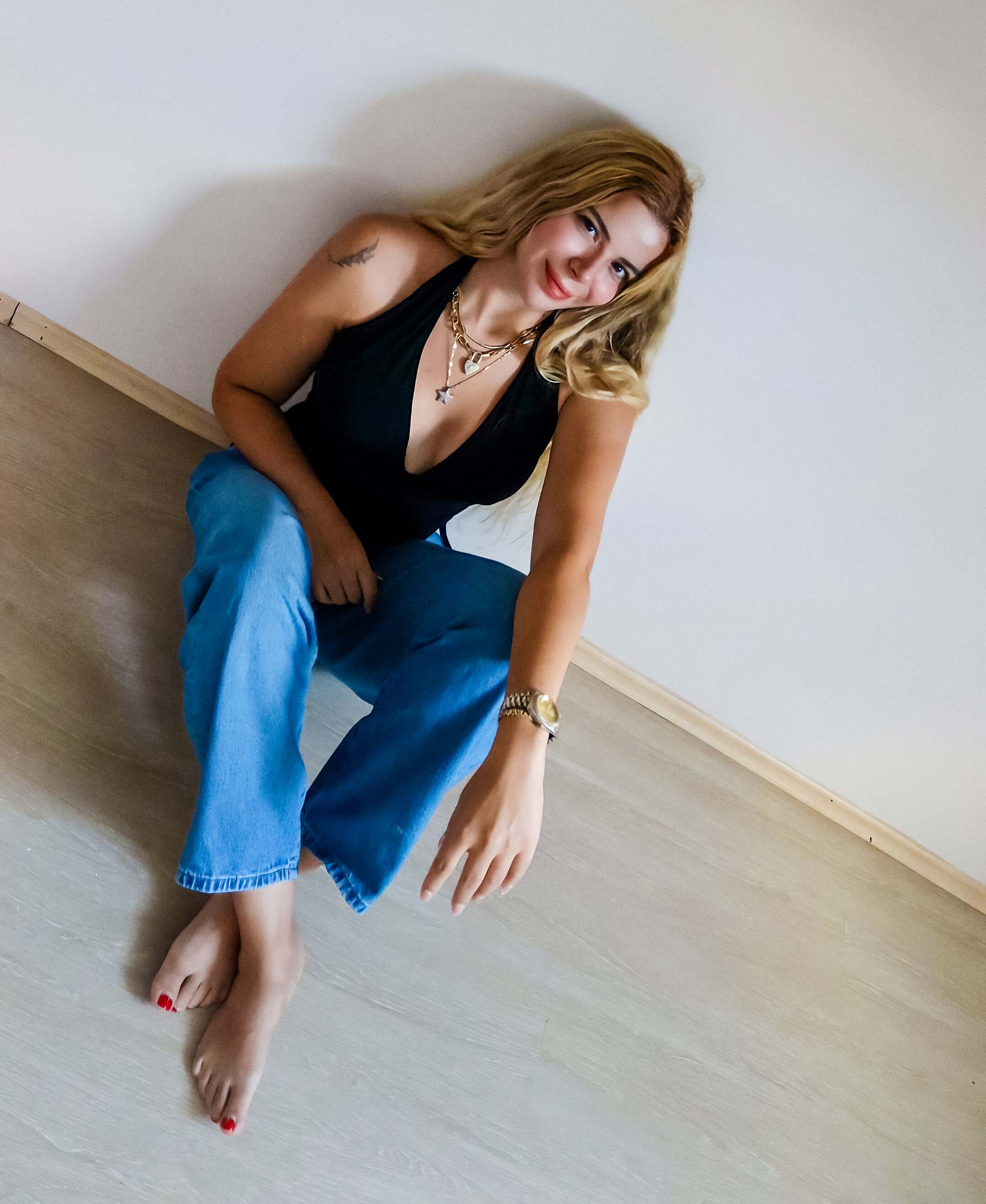
In a world increasingly shaped by speed, noise, and overexposure, Ceren Göğebakan invites us to slow down and look inward. A contemporary abstract expressionist and surrealist based in Istanbul, Göğebakan approaches art as both a psychological landscape and a bridge between consciousness and the subconscious, desire and restraint, structure and spontaneity. She describes herself as the “Designer of the Desire,” a phrase that encapsulates her ability to transform invisible, often unspoken emotions into powerful visual language.

Drawing from imagination, intuition, and lived experience, Göğebakan’s work resists easy interpretation. Instead, it offers viewers space, space to feel, to reflect, and to encounter parts of themselves without instruction or explanation. Her layered compositions, rich textures, and recurring symbols speak to themes of self-worth, courage, and inner light, while her practice remains deeply personal and unapologetically honest.
In this interview with CiiN magazine, Göğebakan opens up about her creative process, the influence of Istanbul on her artistic identity, navigating creative blocks, and the role of empathy and imagination in her work. What emerges is the portrait of an artist who does not simply create images, but designs emotional experiences, quiet, intense, and profoundly human.
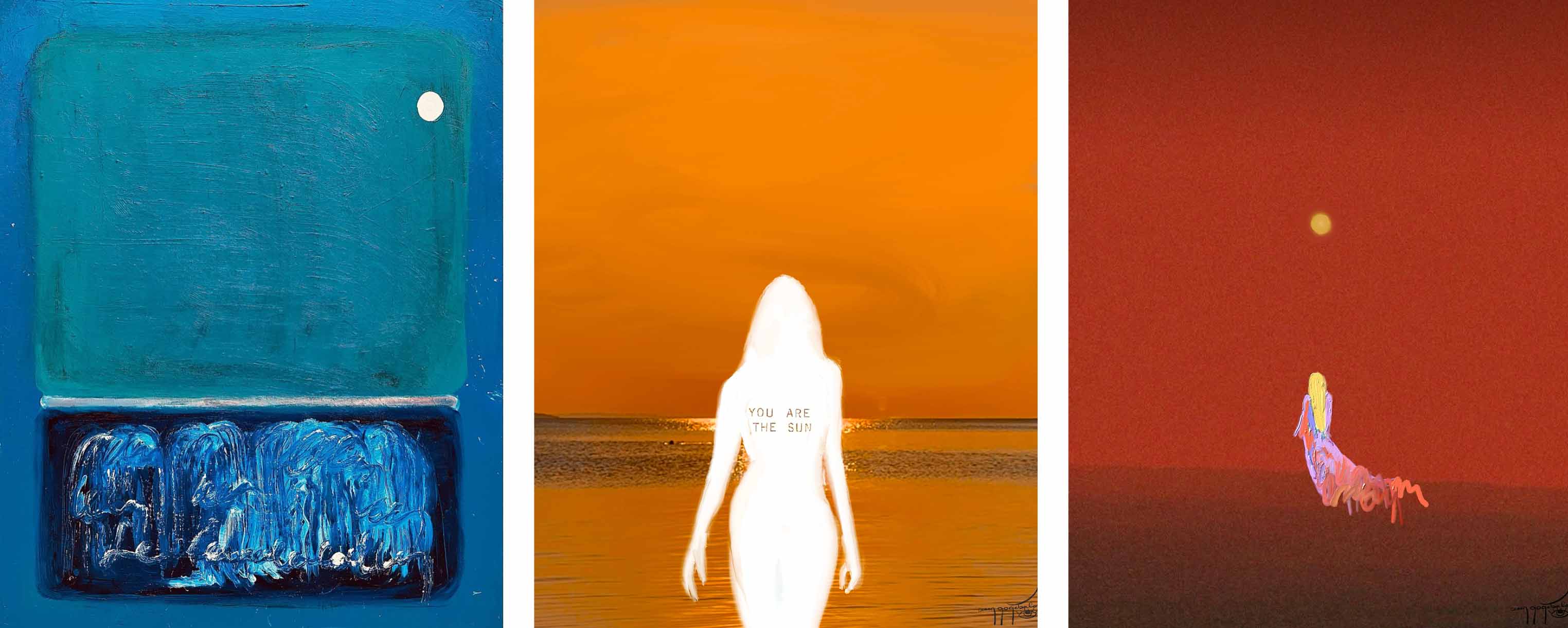
Your Instagram bio describes you as the “Designer of the Desire.” What does desire mean to you in the context of your creative process?
Desire is the driving force of creation. I bring to the canvas those desires that flow like an invisible current, making them visible in another language. I design desires that are unacceptable or unbearable into an acceptable and bearable form, transferring them to the canvas, sometimes giving them a form, sometimes a shape, sometimes a face.
How does your identity as a “dreamer kind” influence the way you approach making art?
For me, imagination is a space that transcends time, a projection and a realm of freedom. I am a dreamer, and I am happy with my dreams. Before creating anything, I live it out in my imagination.
As a contemporary abstract expressionist and surrealist, how do you reconcile structure and spontaneity within your compositions?
In fact, it is a bridge. During periods when my more controlling and analytical side dominates, surrealism accompanies me; there, I bring to the surface things that even the unconscious cannot reach through a kind of conscious construction. In moments when I am freer and more active, abstract expressionism comes into play. One is the bridge I build between consciousness and the unconscious, and the other is the direct, unplanned, pure recording of my overflowing energy.
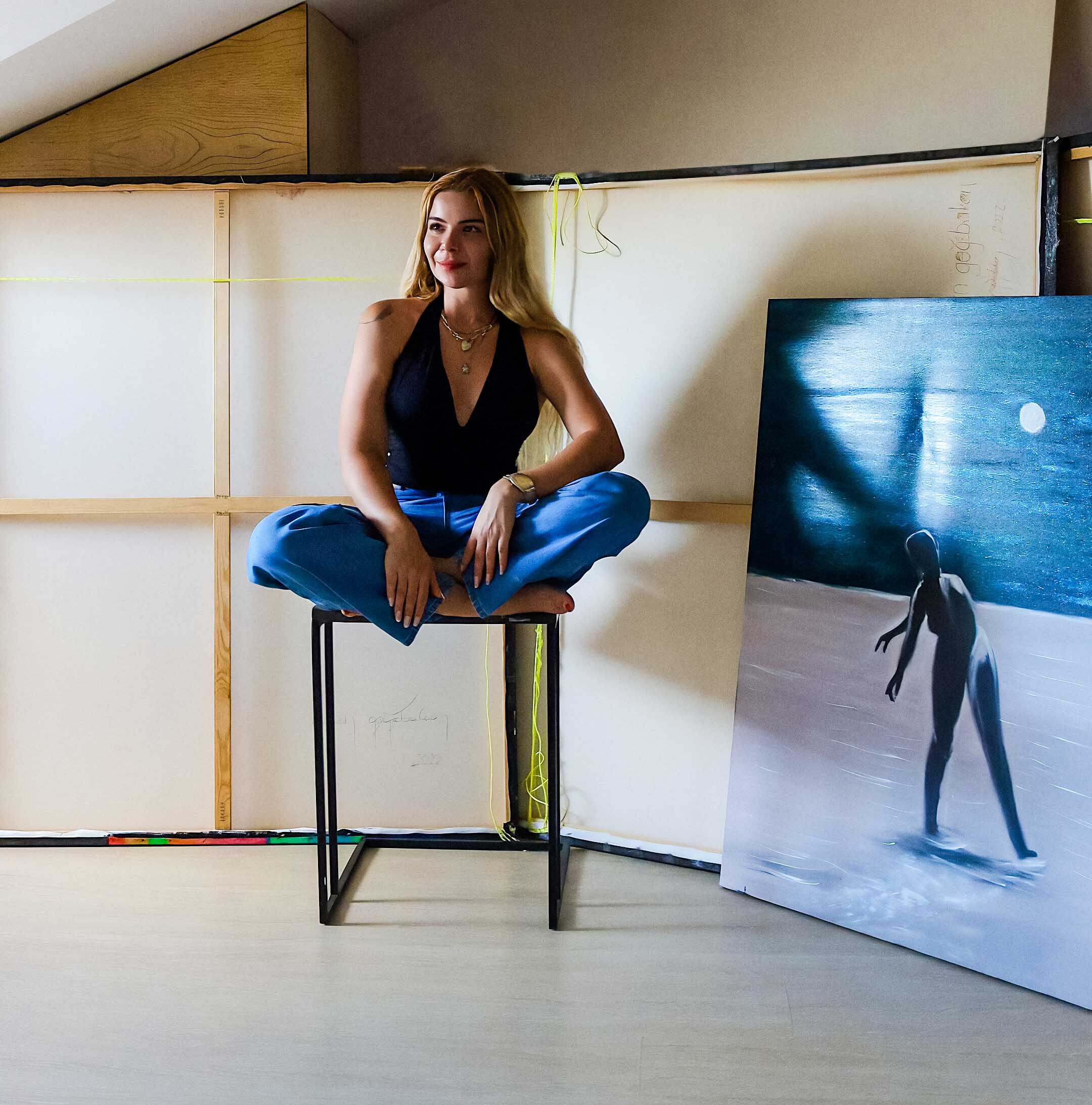
Could you describe your earliest memory of wanting to create art?
Moments from my childhood when I drew on walls. I knew it was forbidden, yet I drew, because even at that age there was something inside me that would not stop. At that moment, I felt that this urge would always stay with me.
Which artists, whether historic or contemporary, have had the strongest impact on your work, and why?
René Magritte, because his intelligence deeply impresses me. He can summarize an entire body of psychotherapy literature in a single painting. That intensity, that aesthetic, fascinates me.
Cy Twombly, because the simplicity of his expression is very striking. He leaves something very powerful in its plainness, without layers. Achieving that kind of simplicity and plainness in abstract expression is a difficult task.
How does living and working in Istanbul shape the themes, colors, or moods present in your artwork?
Istanbul is a city of diversity and freedom for me. I often use the bridge metaphor to describe myself, I define art as a bridge I build between two different sides of myself. Istanbul is like that too. Here, there are many different lifestyles, beliefs, cultures, and moods. It nourishes my dual character greatly. It is both layered and colorful. This diversity is reflected in the energy of my paintings. I love the originality and authenticity of Istanbul.
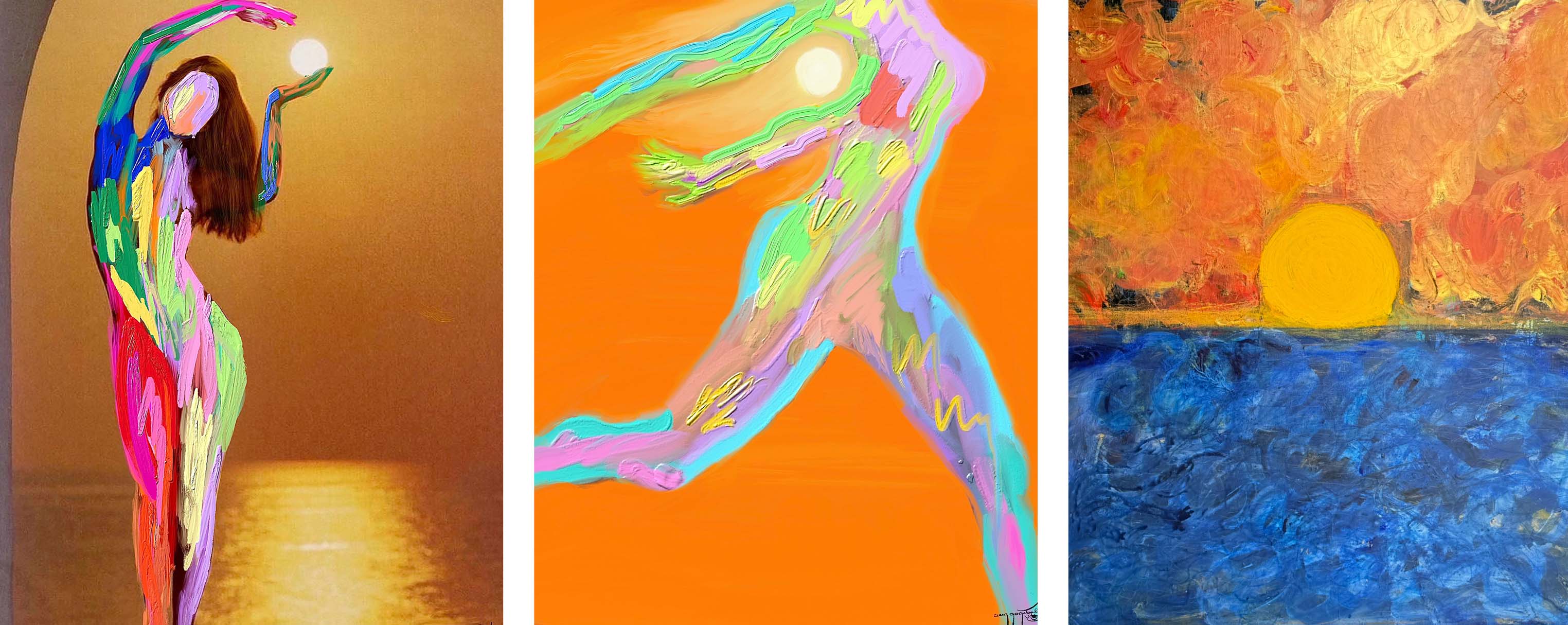
What emotions or experiences do you hope viewers feel or encounter when they gaze at your pieces?
I want them to find something within themselves without me putting it into a form or explaining the painting. But if what they find resembles a mood I experienced, that affects me deeply and makes me very happy.
Could you walk us through how a typical artwork comes to life, from initial spark to finished canvas?
It does not start with a spark but with overflowing energy. I feel restless, unable to sit still, unable to stop without doing something. That energy wants to flow somewhere. This uncontrollable state gives birth to the canvas.
Abstract and surreal art often suggest subconscious ideas. To what extent do you consciously access your subconscious in your creative process?
I once went through a psychotherapy process, during which I learned to understand and analyze my subconscious. I do not see my subconscious as noise but as data. If I am brave enough, it tries to take me somewhere. That place is about self-love and self-worth, it is not terrifying but safe. Since realizing that the subconscious is not frightening, I have been pursuing it. I value this courage. Recently, this place has transformed from data into a form of communication for me.
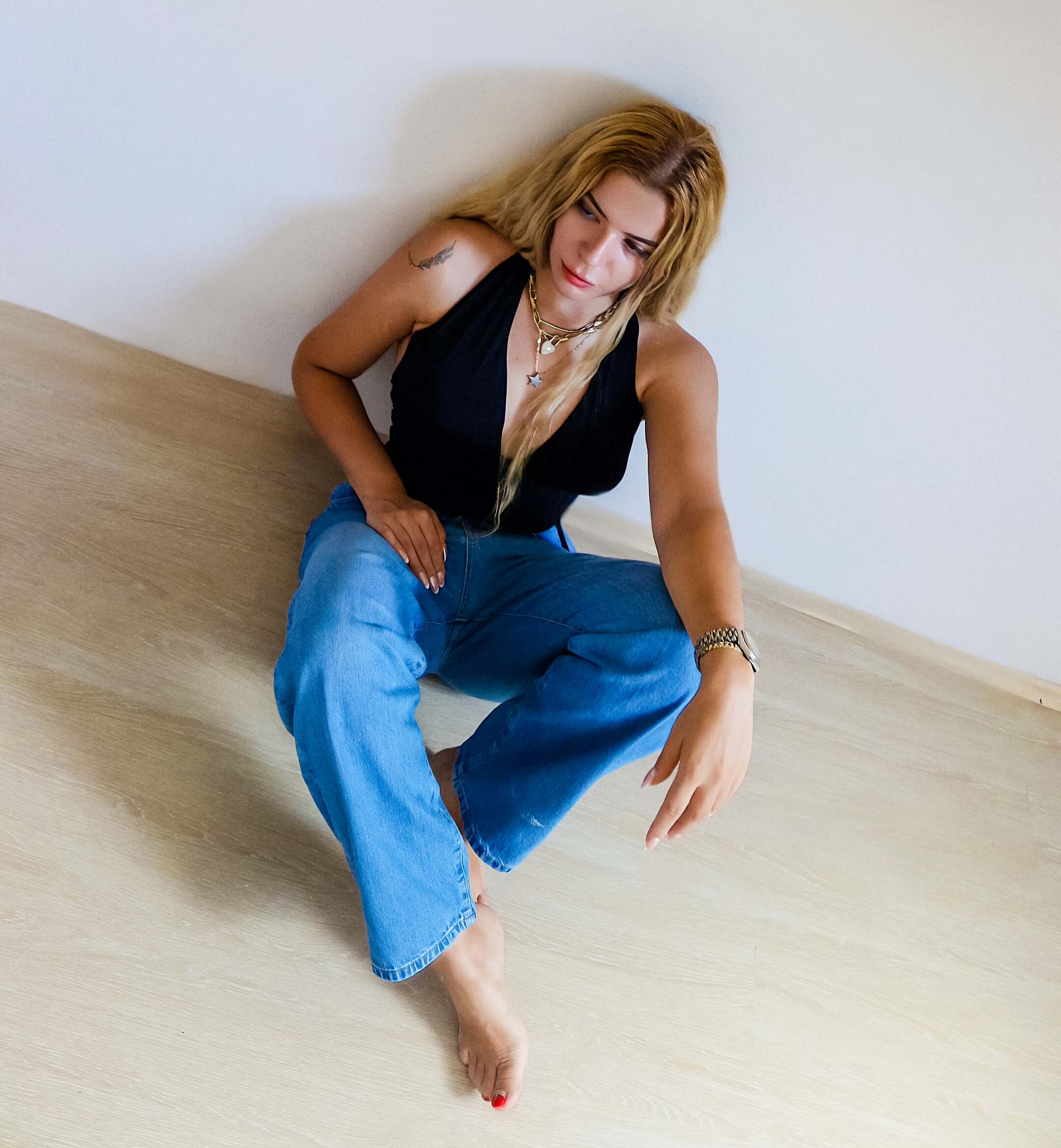
What role does symbolism play in your work, and how do you choose or develop the symbols you use?
Symbols are essentially metaphors. I love metaphors, and through the meanings I give them, I create my own artistic language. This sense of originality and uniqueness makes me feel valuable and entertains me.
Are there recurrent motifs, forms, or textures in your art that hold special meaning for you?
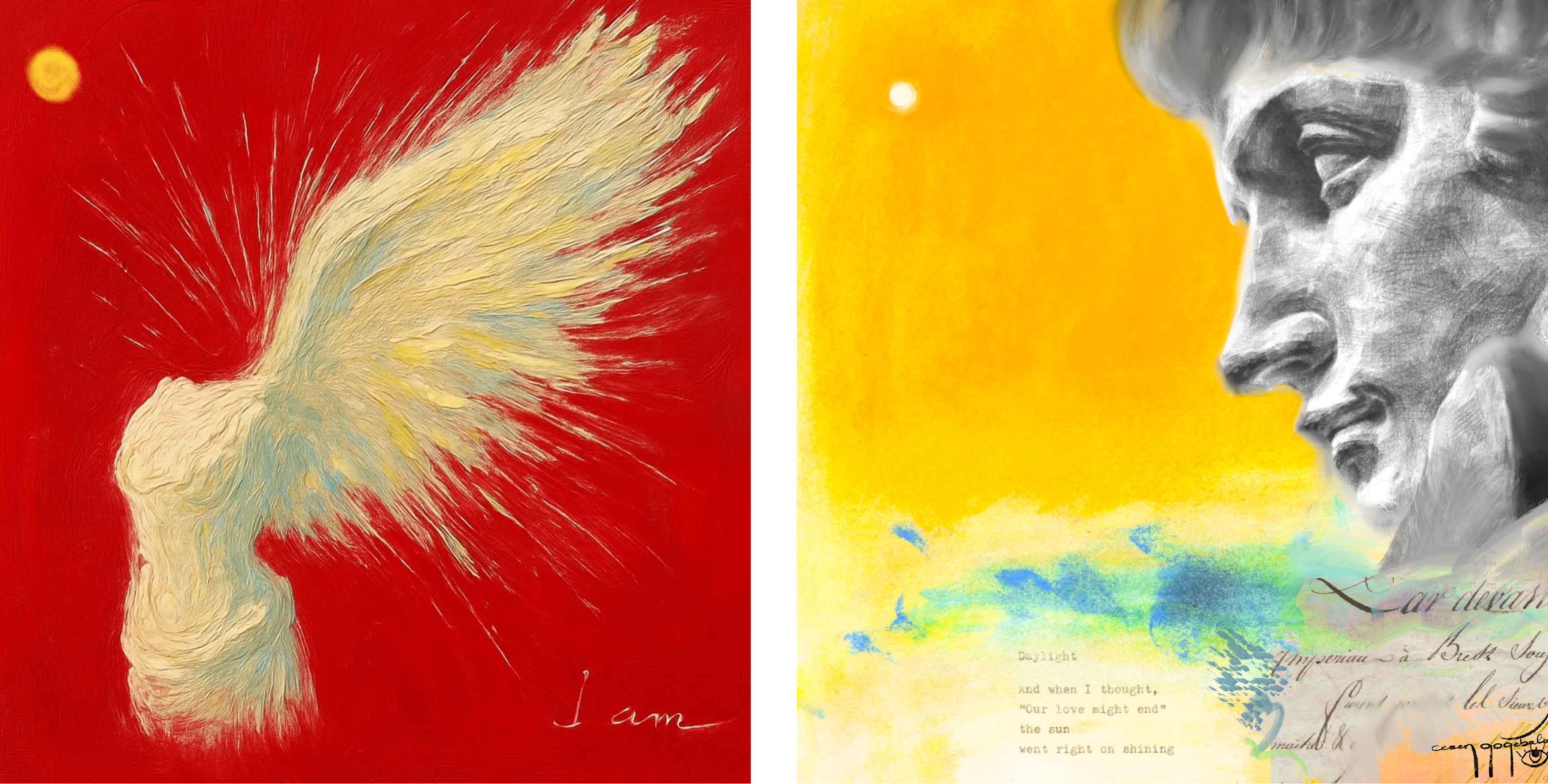
I love texture, especially the texture of oil paint. But when there is too much, the texture is lost balance is very important in setting texture. I often use the sun and the Venus de Milo.
Some of your visuals evoke movement or energy. Does motion inspire your compositions, and if so, how?
My character is often active and restless. This overflowing nature is reflected in my paintings as movement and flow.
Could you share a piece in your portfolio that feels especially personal or significant, and explain why?
There was an Istanbul-themed painting we created with a robot. One layer was made by the robot, and one by me. It holds special meaning, as it was creative and my first such experience. Beyond that, choosing is difficult, they all carry unique significance for me.
Have you faced a creative block, and how did you overcome it?
Yes, last year I experienced a long-lasting block. It was not momentary; it lasted about a year. During this time, I was very self-critical. Initially, I was creating entirely for myself. But then, with the direction of galleries and people’s expectations, I drifted away from myself. At one point, I realized I was lost. I felt inadequate, exhausted, and I stopped. It coincided with a very turbulent period in my life. I truly did not believe I could start again. Then I returned in small steps. I chose to value myself and rediscover my voice. An experience of confronting death during that period gave me visions and led me back to the beginning.
As an abstract artist, how do you balance viewers’ interpretations with the meanings you intend?
I do not seek balance. The viewer creates their own meaning. To avoid another loss or burnout, I try not to be influenced by interpretations most of the time. My only intention is to create what comes from within me.
What’s a misconception people often have about abstract or surreal artwork, and how would you address it?
For abstract art, the misconception is that “we must try to understand it.” As Monet said, people always want to understand, as if looking were not enough. But the important thing is the feeling it awakens in you at that moment.
For surrealism, many people think it is only about terrifying images or heads. But for me, surrealism is where aesthetics and meaning merge, as René Magritte did, to summarize a vast idea in a single painting.
If your artwork could speak, what story or message would it convey?
“There is hope. Remember your light and yourself.”
What kind of environment (studio setup, mood, music, lighting) helps you enter your most productive or inspired state?
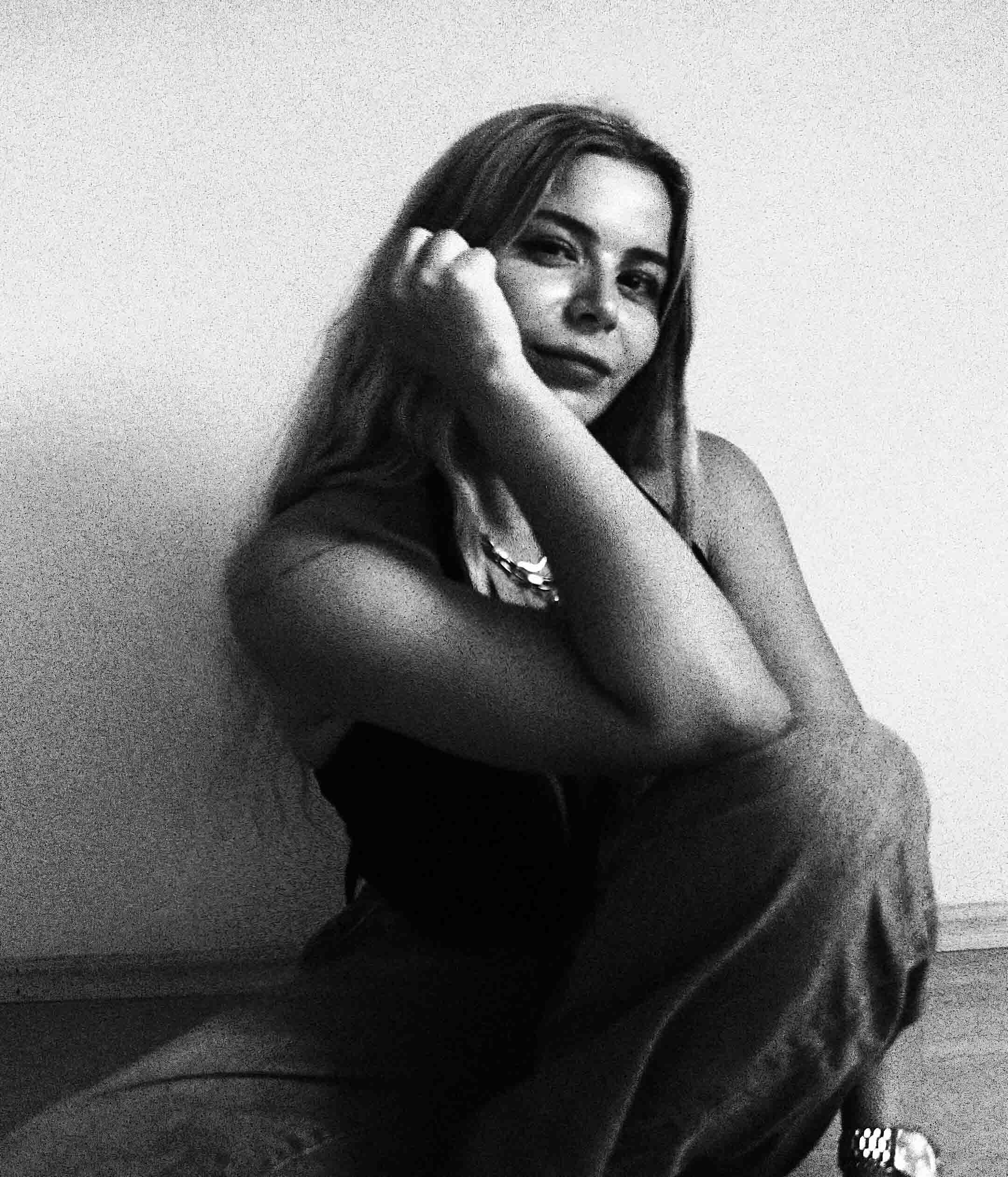
Nighttime, when I am physically and mentally rested, not concerned with anything else. No one is around, no one is talking. Silence, very light music, wine. At that moment, it is just me and the painting.
How do “kindness” and empathy manifest in your creative journey or final pieces?
I try to capture kindness through my brushstrokes. Empathy is a more inward area. The more empathy I have for myself, the more sincere my work becomes.
What upcoming projects, shows, or experiments are you most excited about right now?
I am trying to advance my solo exhibitions, but I have not yet found a concrete path. Beyond that, I am preparing a new series and planning to return to art fairs. This excites me a lot.
What are your other hobbies?
Outdoor sports. I love snowboarding and wing foiling. I also love traveling, meeting new people, and learning new stories and cultures.
Lastly, your message for us at CiiN magazine.
Artists in Turkey often struggle to find enough support. That is why the existence of platforms like yours is so valuable to us. Not only do they make our work visible, but they also make us feel appreciated. Creating such a space for artists also contributes to the continuity of culture. For this reason, I sincerely thank your magazine for giving me space and valuing art.